Searching for sable horse coat color? The genetics guides used here don’t name sable as a color; the nearest real answers are bay, black and chestnut, shaped by a few genes.
This guide is one part of a wider series on sable color across animals and style.
| Item | Value |
|---|---|
| Horses ranked in a bay-shade genetic study | 126 horses |
| Window when coat color variation rose rapidly in domestication | 4000 to 3000 BC |
| Change behind recessive black (ASIP gene) | 11 base pair deletion |
| Dominant white alleles reported in the literature | over 30 alleles |
Figures come from the bay-shade study in Genes and the University of Florida equine genetics lab page. Research pages get updated, so check the sources before you rely on the numbers.
Is sable a real horse color?
Neither the University of Florida lab page nor the University of Illinois veterinary column lists sable as a base color, dilution or pattern. Both describe horse color with a short set of building blocks instead.
That doesn’t make the word useless in everyday talk. It means a loose word for a dark coat has to be translated into the terms vets and breeders use before genetics can say anything about it.
When you translate a coat, check these four things:
- Whether the base color is black-based or chestnut-based.
- Where the black sits, which is the agouti question.
- Whether a dilution such as cream has lightened the coat.
- Whether gray is slowly lightening the horse.
If your search started with dogs, the guide to sable coat dog breeds is the better next stop. If you meant the shade for clothing, sable color outfits covers that side of the topic.
The base colors: black and chestnut
Horse color starts with two base pigments, as the University of Illinois column quotes equine surgeon Dr. Annette McCoy. In her words, black is dominant and red is recessive.
The Florida lab names the gene behind this split Extension. It describes the two outcomes like this, on its coat color genetics page:
- Black: uniformly dark all over, with shades from a sun-faded brown to jet black.
- Chestnut: uniformly red, with shades from a light orange to even a dark near-black.
A dark chestnut can therefore look close to black at a glance. A study in Genes explains that the base coat is controlled by two principal loci, Extension at the MC1R gene and Agouti at the ASIP gene, in its introduction.
How agouti and gray change what you see
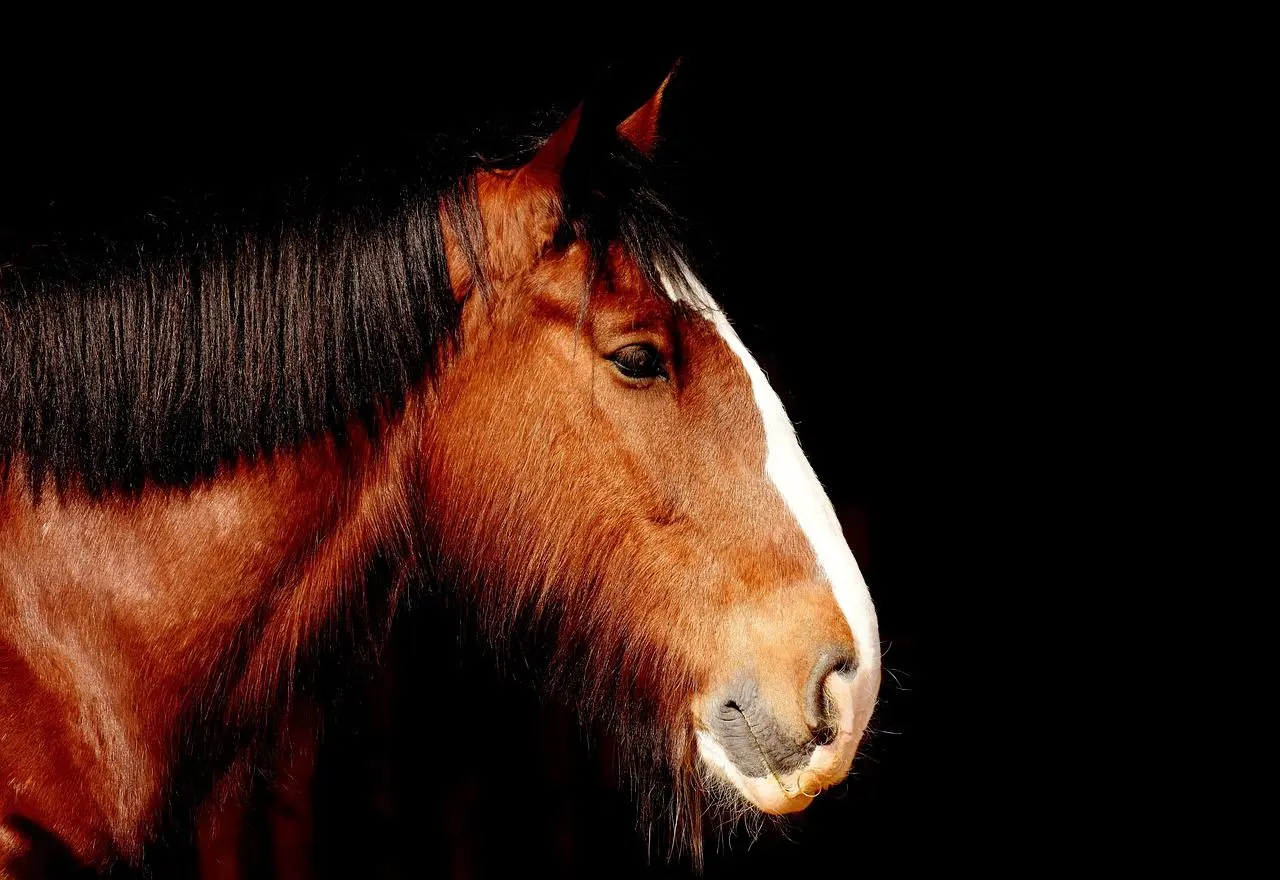
Agouti decides where black pigment goes. The Illinois column says a dominant agouti restricts black to the points (tail, ears and mane), leaving the body brown, which is the color called bay, as the Illinois column explains.
The Florida lab describes bay as reddish-brown on most of the body, with black legs, ear tips, mane and tail. Recessive black comes from an 11 base pair deletion in the ASIP gene, according to the Florida page.
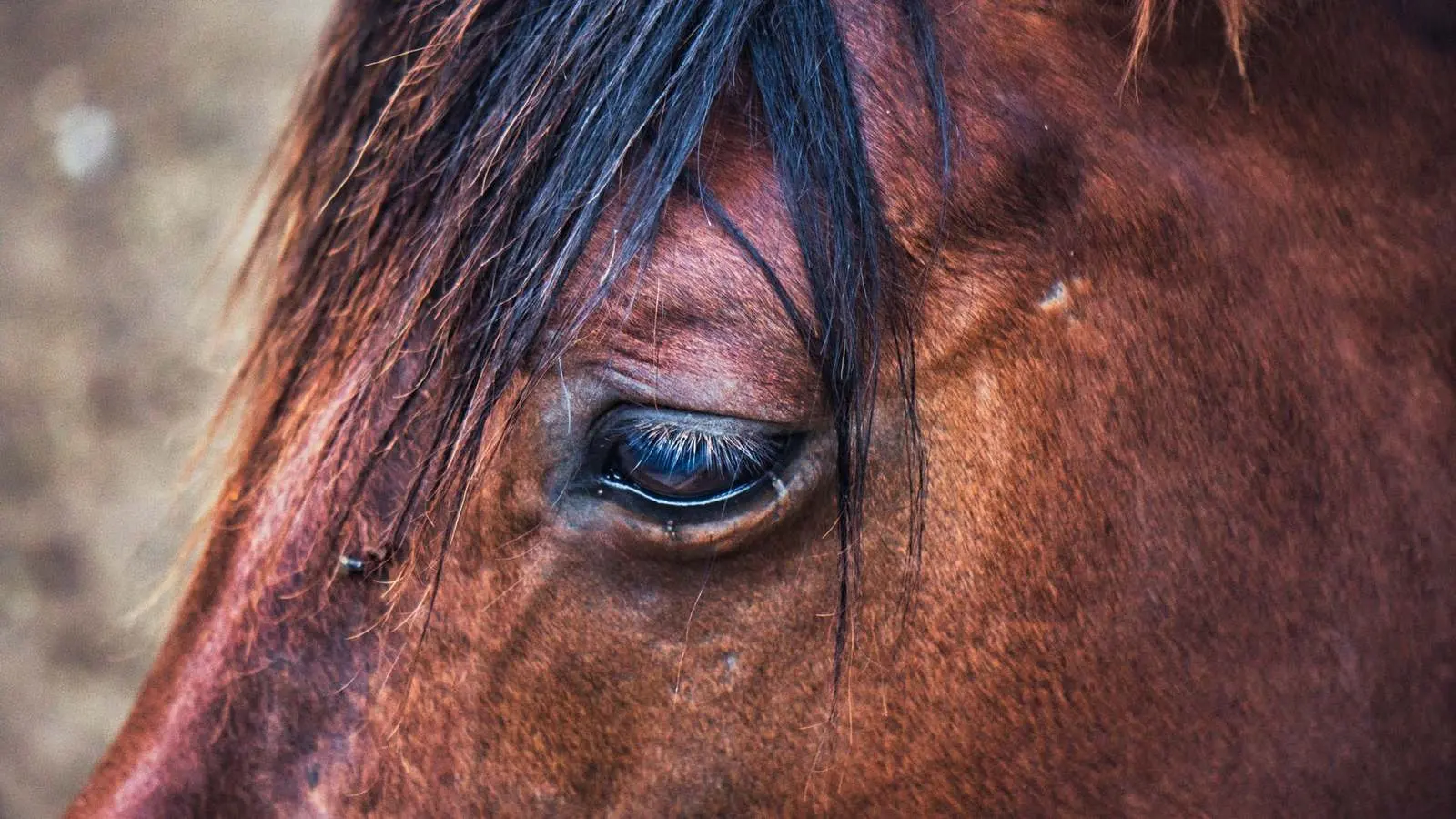
Gray works differently, because it changes a coat over time rather than at birth. According to Dr. McCoy in the Illinois column, a horse can be born any color, but a dominant gray gene from a parent means it will turn gray by adulthood.
Dilutions: palomino, buckskin and cream
Dilutions are extra genes that modify the shade of a base color. The Illinois column gives two examples: palominos are a dilution of chestnut, and buckskins are a dilution of bay, per the University of Illinois.
The cream gene does most of this work. With one copy, a bay or chestnut body turns light tan or gold, and the Florida lab adds that a buckskin keeps black ear tips, legs, mane and tail while a palomino’s mane and tail turn white (Florida lab page).
With two copies, the whole horse, including mane and tail, becomes a light cream color, per the same Florida page. That is a very different result from a dark, glossy coat.
Dilutions make foals hard to call. Dr. McCoy notes that a buckskin stallion mated to a chestnut mare can have a palomino, black, chestnut or buckskin foal, as the Illinois column reports.
Why shades of bay still vary
Even the simple two-gene picture leaves gaps. The authors of a study in Genes write that the known inheritance system does not fully explain the wide range of shades seen within bay horses (PMC study).
To look for answers, the team ranked 126 horses from five different breeds by how far black pigment spread over the body. They found a single region just upstream of the ASIP gene linked to the shade of bay, per the same PMC study.
People have shaped these shades too. The same paper reports that variation in coat color rose rapidly during equine domestication, from 4000 to 3000 BC, and later work suggests direct human selection drove the rise (PMC study).
Color is not only cosmetic. The Florida lab notes that color genes can also affect a horse’s health, and it links frame overo spotting to lethal white foal syndrome in horses with two copies of the mutation.
How to describe your horse’s color accurately
You can narrow down a coat in a few steps before you ever ask for a test:
- Decide whether the body is black, red or brown overall.
- Look at the legs, ear tips, mane and tail: black points on a brown body suggest bay.
- Check for lightening that could point to a dilution, such as a gold body with a pale mane.
- Watch whether the coat grows lighter with age, which would suggest gray.
Appearance alone can mislead, so ask a professional. The Illinois column suggests contacting your local veterinarian with questions about color genetics.
Testing matters most for spotting patterns. The Florida lab advises genetic testing for the frame overo gene so that two frame overo carriers are never crossed.
Frequently asked questions
Is sable an official horse coat color?
Show answer
The two university pages used for this guide do not name it. Describe the coat with terms they do list, such as bay, black, chestnut or buckskin.
Can a bay horse look almost black?
Show answer
Yes. The Florida lab page says the non-black area of a bay can range from a light brown to near-black.
Does agouti change a chestnut horse?
Show answer
Not visibly. The Illinois column explains that agouti affects only the distribution of black, so a red-based horse looks the same, though the gene still passes to its offspring (University of Illinois).
Does a gray horse keep its birth color?
Show answer
Usually the coat lightens, but not evenly. The Florida lab says the rate and the areas affected vary, and some horses keep darker points or patches that never grey (Florida page).
Do horses ever have a tricolor coat?
Show answer
Almost never. The Illinois column calls a three-color coat, like those in tricolor dogs and calico cats, about the only combination not seen in horses (Illinois page).