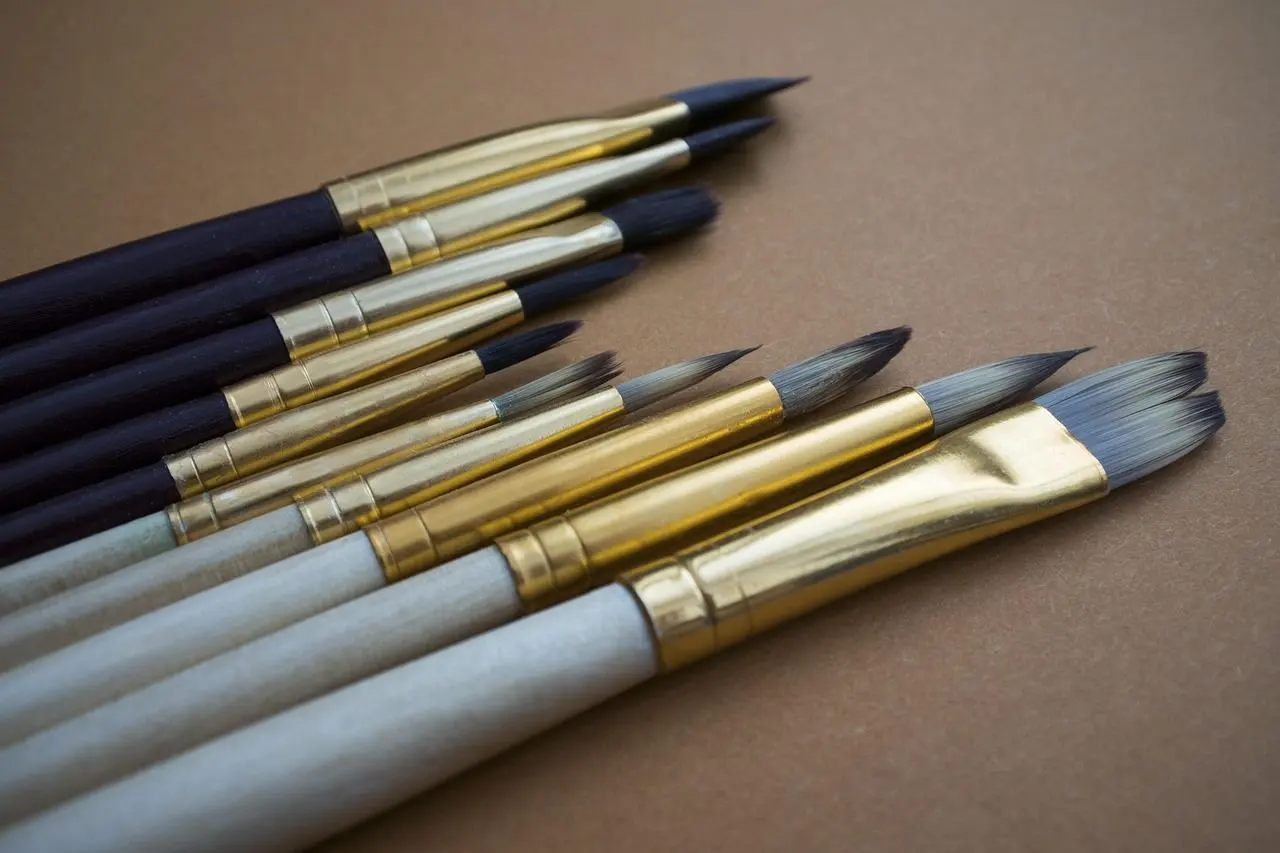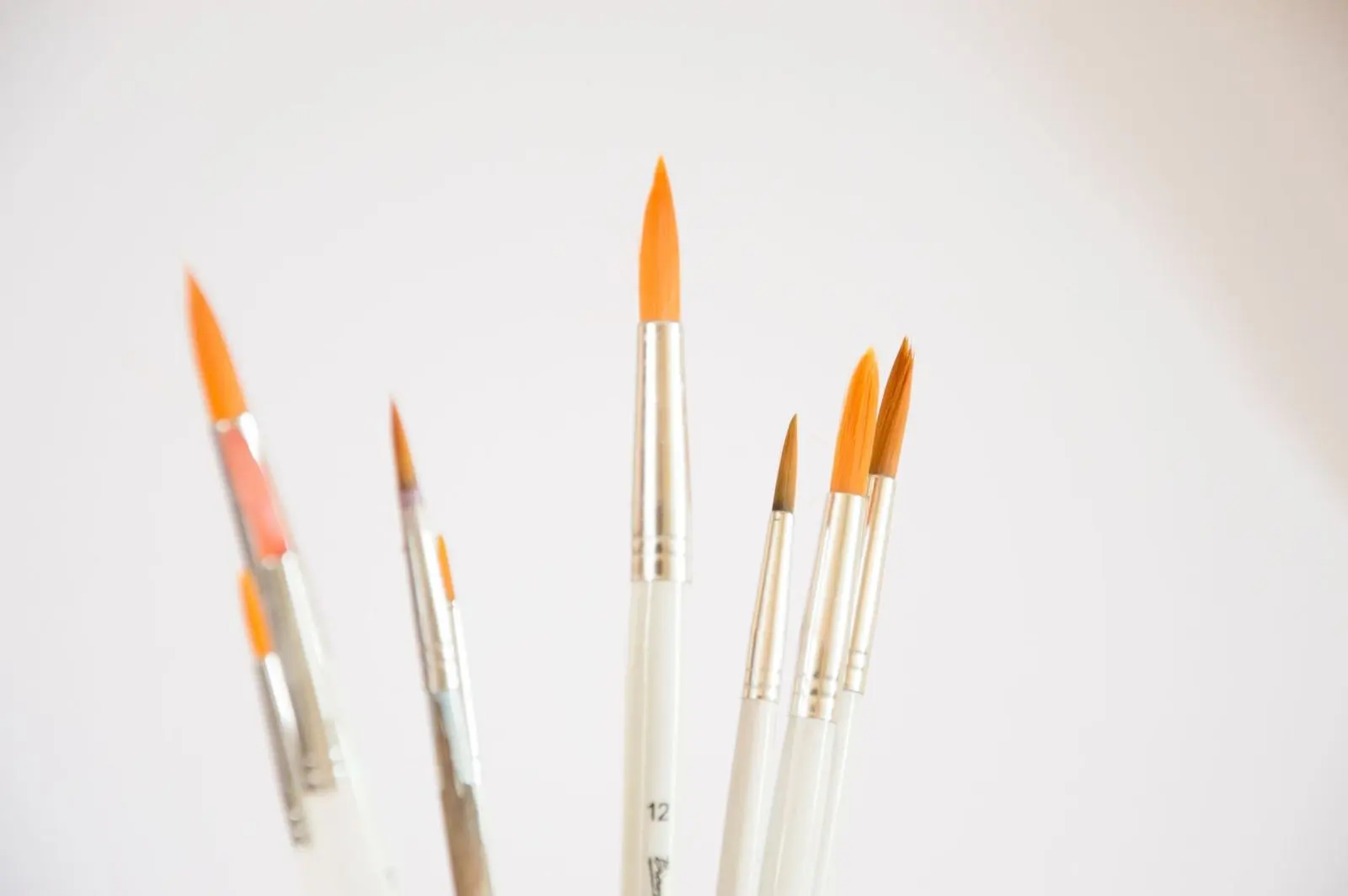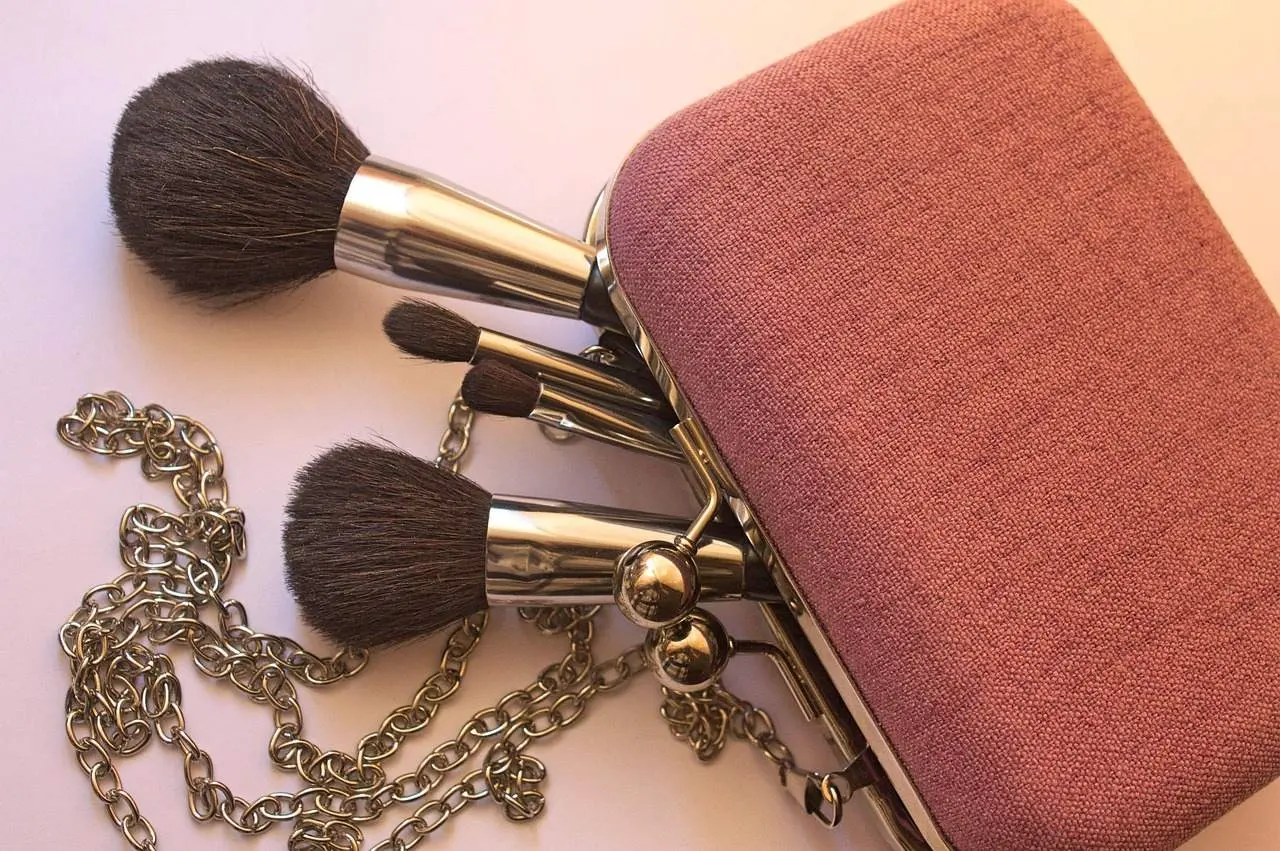
Wondering what sable makeup brushes are? You’ll often get weasel hair, not sable, shaped for fine, precise work. Use them for small details, or pick synthetics if animal hair bothers you.
The wider picture of the sable brush category is laid out in the hub guide, and this page narrows it to the makeup bag.
| Item | Value |
|---|---|
| Animal behind most “sable” artist-brush hair | Kolinsky, a weasel (Mustela sibirica) |
| Typical male-to-female hair mix | About 60/40 |
| Hair colour | Pale red with darker tips |
| US shipments of kolinsky brushes halted from | 2013 |
| Common synthetic alternative | Taklon fibre |
These figures come from Wikipedia’s kolinsky sable-hair brush entry and PETA’s paintbrush page. Rules and labelling practices can change, so check the source before you rely on them.
What sable makeup brushes really are
A sable makeup brush is a brush whose bristles are sold under the name sable, usually for small, controlled work. In artist brushes, the hair marketed this way is kolinsky hair, taken from the tail of a weasel called the kolinsky (Mustela sibirica) rather than from an actual sable, according to Wikipedia.
That same entry says kolinsky bristles tend to be pale red with darker tips. The finest brushes use male hair only, while most brushes blend about 60/40 male to female hair.
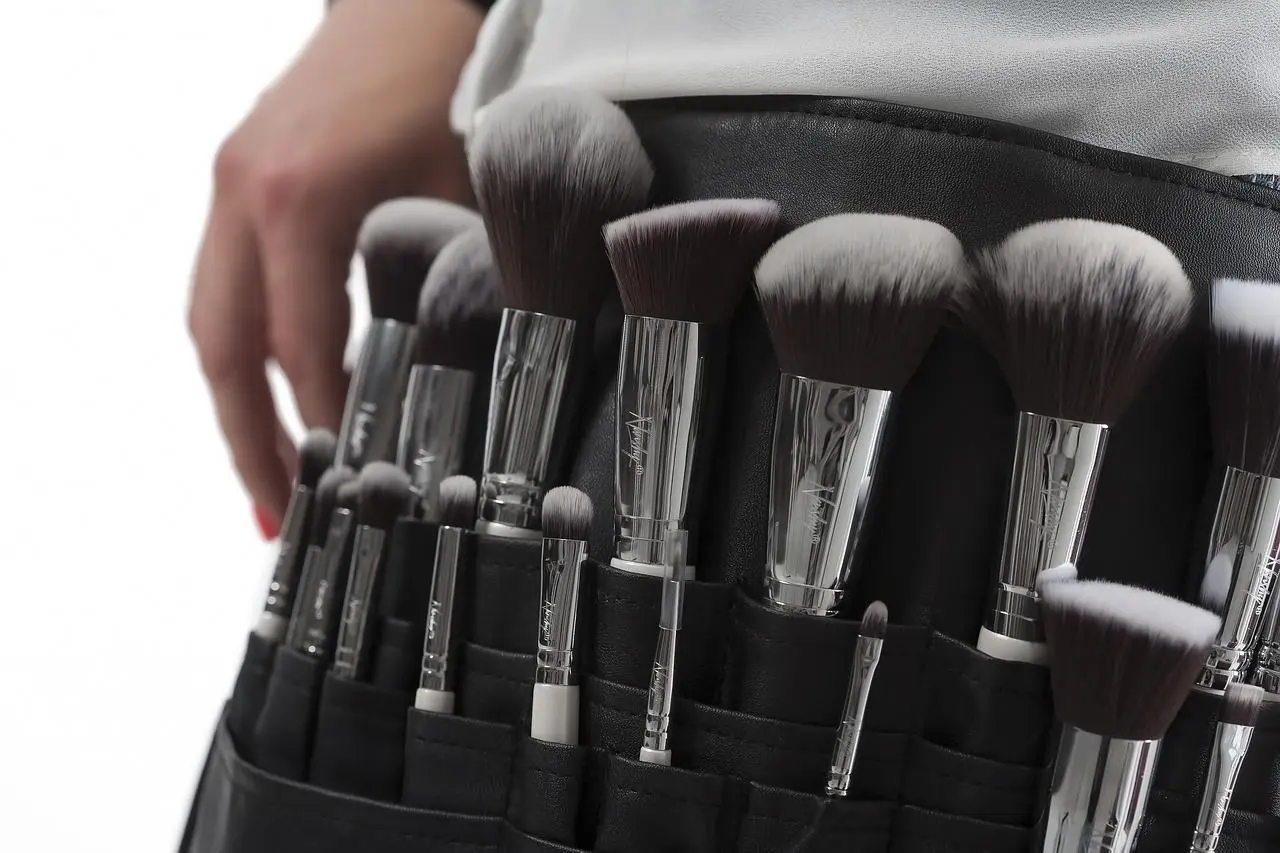
One caution: the sources here describe artist brushes and general makeup-brush materials. They give no makeup-specific specifications, so treat any claim about exact hair counts or grades in a makeup brush with care.
Why the word “sable” on a label can mislead
PETA’s paintbrush page, last updated April 2024, argues that “sable” hair is not from sables at all. It says the hair is taken from minks, ferrets, or weasels, and that some of those animals are considered endangered, as the page itself states.
The same page says the hair is often unlabeled or mislabeled. In practice, the word printed on a handle or listing tells you little about which animal the bristles came from.
On makeup brushes specifically, PETA’s makeup-brush page says the bristles could come from any of these:
- Squirrel
- Mink
- Sable
- Horse, sometimes sold as “pony” or “camel”
- Goat
If you already own a brush and wonder what is in it, the guide on how to tell if a brush is real sable is the natural next step.
When sable-style brushes make sense
Wikipedia notes that kolinsky brushes are sought after in figure painting for their ability to hold a fine tip and an appropriate amount of paint and moisture. It adds that dental ceramic makers prize them for hand-tinting, according to the same entry.
Makeup is a different job, but the logic carries over: a tip that stays fine while carrying product suits small, controlled areas. These are practical judgments, not figures from the sources:
- Drawing a thin line along the lash edge.
- Defining the edge of the lips.
- Dabbing concealer onto a single blemish.
- Placing shadow in a tight inner corner.
For large areas such as powder or blush, brush size and shape matter more than the hair type.
When a synthetic brush is the better pick
PETA, an animal-rights group, says brushes made with high-tech synthetic fibers perform just as well, or even better, as its cruelty-free brush page puts it. The same page says synthetics repel bacteria and dirt better than animal hair and work with both cream and powder products.
Look for Taklon, which PETA describes as a synthetic fiber used in paint and makeup brushes. Keep in mind that PETA is an advocacy group, so weigh its performance claims as a position rather than a lab test.
Supply is another reason to think twice. The kolinsky is not raised well in captivity and is generally isolated to Siberia, and shipments of kolinsky brushes to the U.S. were halted from 2013, Wikipedia reports.
How to decide before you buy
- Decide the job first: fine detail, or broad coverage.
- Read the listing for the named animal, not only the word “sable”.
- Compare a synthetic brush of the same shape before paying extra for animal hair.
- Check the import and wildlife rules where you live if the brush ships from abroad.
If you are weighing one animal hair against another, the comparison of sable vs squirrel brush is a sensible read before you choose.
Frequently asked questions
Are sable makeup brushes made from sable?
Show answer
Usually not. In artist brushes the trade name points to kolinsky, a weasel, and Wikipedia lists “red sable” as another name for it.
Are sable brushes cruelty-free?
Show answer
You cannot assume so. PETA says mink and sable brushes are products of the cruel fur industry, a view it sets out on its makeup-brush page.
Why were kolinsky brush shipments stopped?
Show answer
The U.S. Fish and Wildlife Service held and sometimes seized them because the kolinsky falls under the international CITES agreement. Wikipedia dates the start of this to 2013.
Can a synthetic brush replace sable for detail work?
Show answer
PETA claims it can, saying modern synthetic fibers match animal hair in performance. Test one in the shape you need, since the sources do not offer a side-by-side comparison; PETA’s page is the origin of the claim.