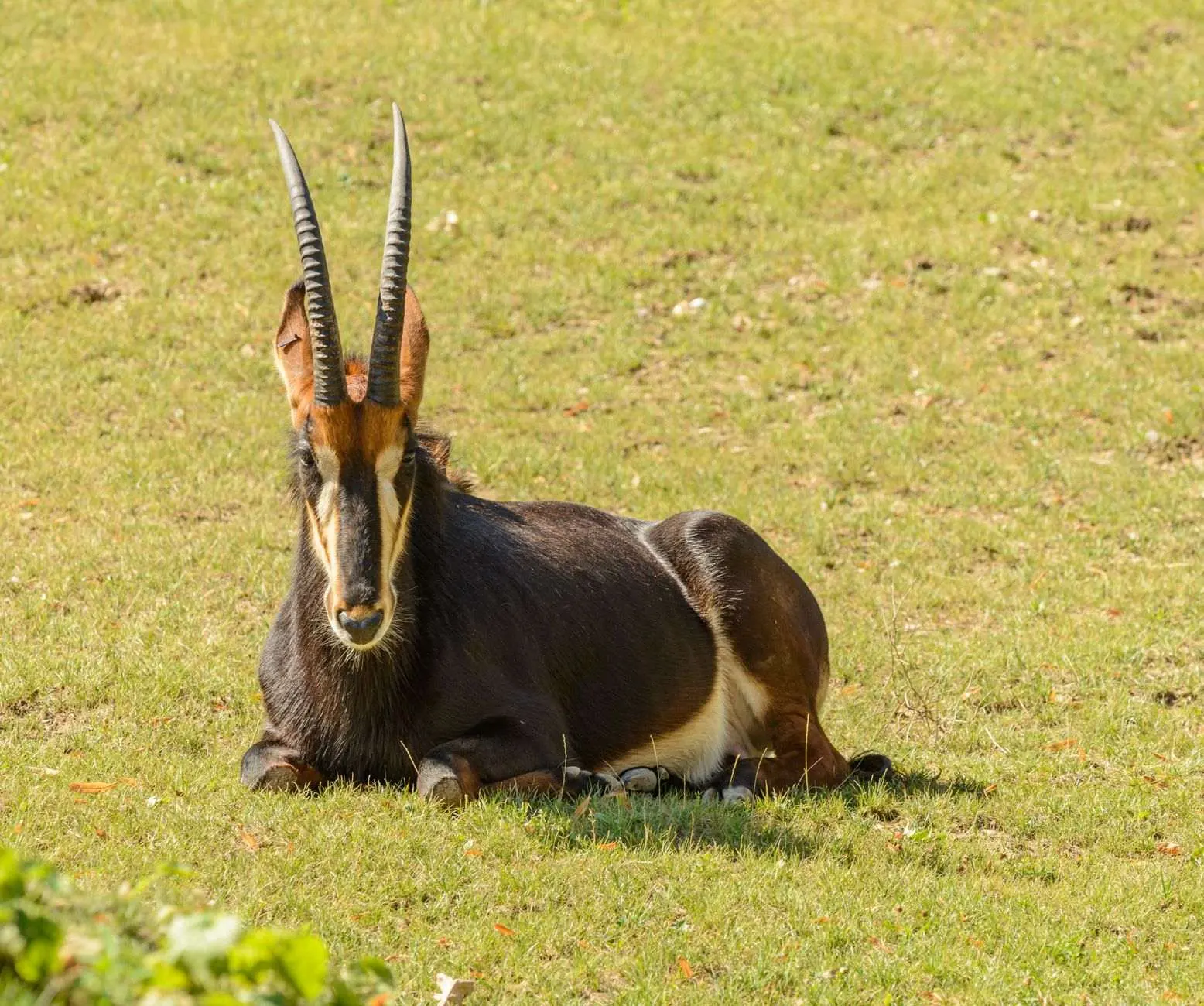
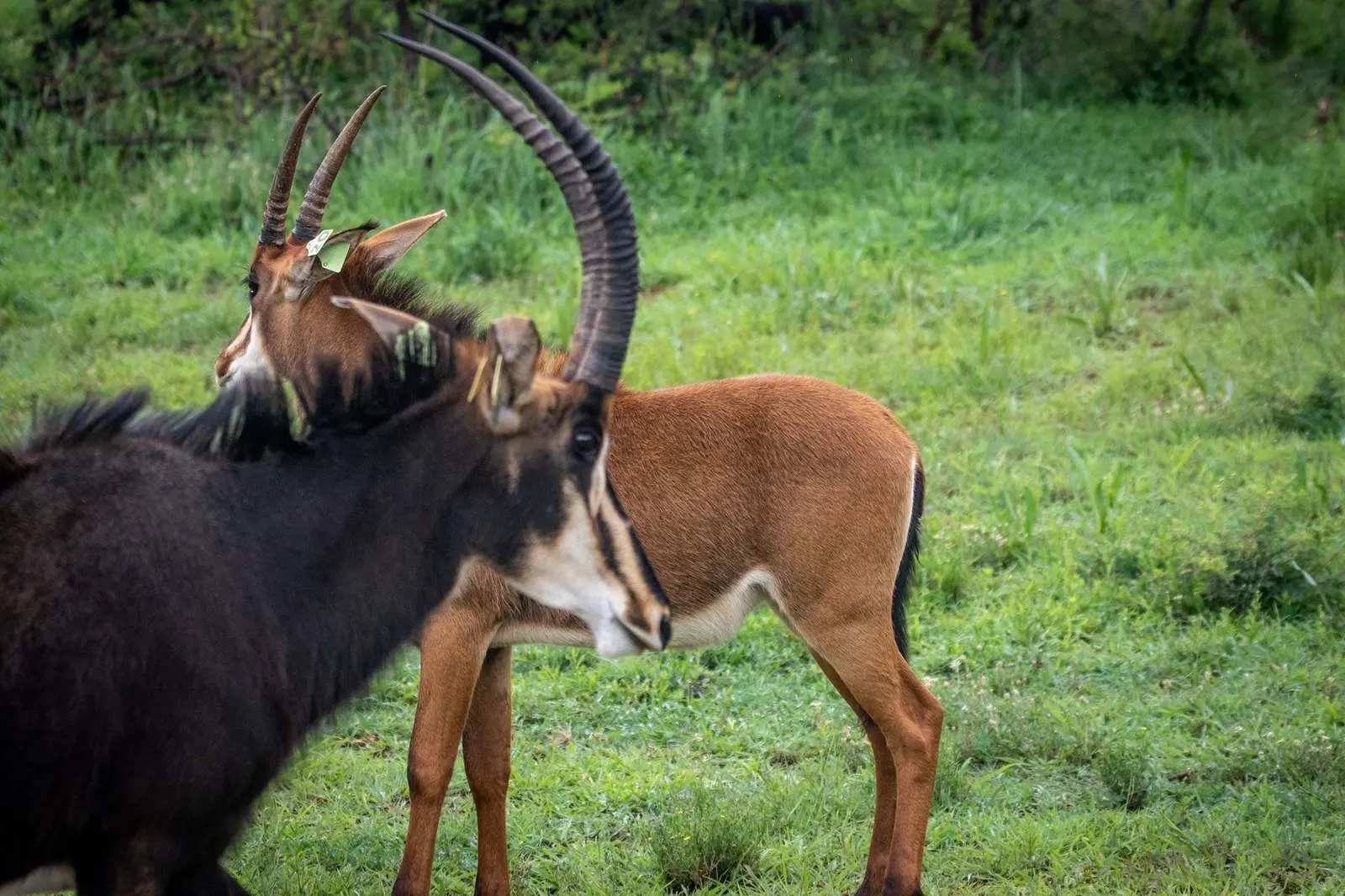
Looking up sable hunting regulations? You’ll find the rules depend on the place, the method and the season. The sources checked here cover marten trapping, so treat them as examples and confirm local rules before you act.
This guide is a companion to the full profile of the sable animal, and it focuses on rules rather than biology.
| Item | Value |
|---|---|
| North Dakota regular American marten season (traps, cable devices), statewide | 11/23/2026 to 11/29/2026 |
| Wisconsin trapping regulations edition | Fall 2026-Spring 2027 |
| Wisconsin foothold pan tension in marten restoration dryland areas | 4 pounds or greater |
| Wisconsin state parks: no setting or checking traps near designated trails or use areas | Within 100 yards |
| North Dakota season date status for the marten listing | Finalized |
These figures come from the North Dakota Game and Fish season listing and the Wisconsin DNR trapping regulations. Figures can change, so check the source before you rely on them.
Why sable hunting regulations differ from place to place
There is no single rulebook. Each wildlife agency sets its own seasons, permitted devices and land-access conditions, so the same kind of animal can be handled very differently from one jurisdiction to the next.
The sources supplied for this guide describe marten rather than sable. They work as models of how agencies write rules, not as legal advice for sable, so confirm the species, the place and the date with the agency that governs your location.
Protection levels shape many of these rules, and the sable conservation status page explains how a species is assessed. For the commercial background behind why these animals were pursued at all, read the sable fur trade history guide.
Season dates: a North Dakota example
North Dakota lists a regular American marten season for traps and cable devices. As of the state’s 2026 listing, it runs statewide from 11/23/2026 to 11/29/2026, and the listing marks the date status as Finalized (North Dakota Game and Fish).
The same listing records that the season is not open year-round. That means a trapper has a defined window, not an open-ended one.
Look at the status field before you plan anything. It tells you whether the agency treats the dates as settled.
How Newfoundland limits traps and snares
As of the guide page’s 9/12/25 update, Newfoundland and Labrador says its marten were recently downlisted from Threatened to Vulnerable under its Endangered Species Act. The guide adds that measures to minimise non-target marten deaths should stay in place while a management plan is developed (Newfoundland and Labrador guide).
The guide sorts the land into three categories:
- Category One: traps must be set to avoid non-target species, and land-based traps, including leg hold and conibear sets on dry land, are prohibited. These areas are also closed to all small game snaring.
- Category Two: modified snaring and trapping areas where all land-based traps are prohibited, but a locking killing neck snare is allowed for fox, coyote or lynx.
- Category Three: all other land, where all legal snaring and trapping devices may be used.
One reserve, the Little Grand Lake Provisional Ecological Reserve, is closed to all trapping except for beaver. The guide also requires fox, coyote and lynx snares to include a breakaway device that releases at 340 kilograms or less of static force, according to the same guide.
Wisconsin marten restoration areas and public land
Wisconsin publishes its trapping regulations by season, and the Fall 2026-Spring 2027 edition is available online and in print. The state tells trappers they are responsible for following the regulations, and that the rules for one species can be spread over several sections (Wisconsin DNR).
Inside the gray-marked parts of the Pine River and Clam Lake marten restoration areas, dryland trapping is limited to a short list of devices:
- Cable restraints.
- Cage or box-type traps.
- Weasel boxes with a restricted opening.
- Footholds with a pan tension device of 4 pounds or greater (Wisconsin DNR).
Access rules matter as much as device rules. In state parks, the DNR bars setting, placing or checking traps within 100 yards of designated trails or use areas such as picnic areas, campgrounds and beaches, according to the Wisconsin DNR regulations.
Private land is covered too. The DNR says trappers need permission before trapping on any private land, even when they enter by a public waterway.
A practical checklist before you act
- Confirm the species and the jurisdiction, since the examples above cover marten, not sable.
- Find the official season listing and read its status field.
- Check which devices are allowed in the specific management area, not just the region.
- Confirm who owns the land and whether you need permission or a permit.
- Read every section of the regulations, then re-check close to the season, because details can change.
Frequently asked questions
Do these sources set the rules for sable?
Show answer
No. The supplied pages cover marten in North Dakota, Newfoundland and Labrador, and Wisconsin. Use them as examples of how rules are structured, then look up the agency that covers the place where you are.
Is the North Dakota marten trapping season open all year?
Show answer
No. The state’s 2026 listing answers “No” to year-round opening and shows one statewide window that ends on 11/29/2026, per North Dakota Game and Fish.
Can I trap on private land if I reach it by a public waterway in Wisconsin?
Show answer
Not without the owner’s say-so. Wisconsin’s DNR explains that placing a trap in the water of a private bed can still be a trespass, so permission comes first (Wisconsin DNR).
Why are Newfoundland’s trap rules stricter in some areas?
Show answer
The province links its category system to marten recovery. Its guide says protective measures should continue after the downlisting while a species and habitat plan is prepared (Newfoundland and Labrador guide).